Forces of Erosion
Erosion is the process of wearing away and transporting rock, soil, and other materials. The primary forces driving erosion are:
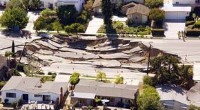
* Gravity: Gravity pulls materials downhill, causing landslides, rockfalls, and soil creep. It also contributes to other erosive forces like wind and water.
* Water: Water is a powerful erosive force, responsible for:
* Running water: Rivers, streams, and rain can carve canyons, form riverbeds, and transport sediments.
* Waves: Ocean waves erode coastlines, forming cliffs, beaches, and sandbars.
* Glaciers: Massive ice sheets scrape and grind the land, forming valleys, lakes, and mountains.
* Wind: Wind carries sand and dust particles, which can erode and sculpt rock formations, creating dunes and other landforms.
* Ice: Frost wedging, where water freezes and expands in cracks, can break apart rocks. Glaciers also exert tremendous pressure on the land they flow over, causing erosion.
* Biological activity: Plants, animals, and microorganisms can contribute to erosion. Tree roots can break apart rocks, and burrowing animals can loosen soil.
Forces of Deposition
Deposition is the process by which eroded material is dropped or settled in a new location. The same forces that cause erosion are also responsible for deposition, but the conditions are different:
* Gravity: When the force of gravity is overcome, deposited materials settle. This happens when a slope flattens out, or the transporting force weakens.
* Water: As the velocity of water decreases, it loses the energy needed to carry sediment. This leads to deposition:
* Rivers: Sediments are deposited along river banks and deltas, forming fertile land.
* Waves: Sand is deposited on beaches and in shallow water, creating sandbars and spits.
* Glaciers: Melting glaciers deposit rock fragments and sediment, forming moraines and outwash plains.
* Wind: As wind slows down, it loses its ability to carry sand and dust. This leads to the formation of sand dunes, loess deposits, and other landforms.
* Ice: Glaciers deposit sediment as they melt, forming glacial till and other deposits.
Key Points:
* Erosion and deposition are continuous processes.
* The balance between these two processes shapes the Earth's landscapes.
* The intensity of erosion and deposition depends on the specific force acting, the type of material, and the climate.
Understanding these forces is crucial for:
* Predicting and mitigating erosion: This is essential for protecting infrastructure, agriculture, and ecosystems.
* Understanding landforms: Erosion and deposition have created the diverse landforms we see today.
* Managing natural resources: Erosion can impact water quality and soil fertility, while deposition can create valuable land resources.