Here's a breakdown:
What makes it a disaster?
* Significant Damage: The event must cause substantial damage to property, infrastructure, or the natural environment.
* Human Impact: The event must have a negative impact on human lives, causing injuries, deaths, displacement, or disruption to daily life.
Types of Geological Disasters:
1. Earthquakes: Sudden, violent shaking of the Earth's surface caused by the release of energy in the Earth's crust. They can cause tsunamis, landslides, and structural damage.
2. Volcanic Eruptions: The release of molten rock (magma), ash, and gases from a volcano. They can cause widespread destruction, air pollution, and climate change.
3. Tsunamis: Giant waves triggered by earthquakes, volcanic eruptions, or underwater landslides. They can inundate coastal areas, causing massive destruction and loss of life.
4. Landslides: The rapid movement of a mass of rock, debris, or soil down a slope. They can be triggered by earthquakes, heavy rainfall, or volcanic eruptions, and can bury buildings and infrastructure.
5. Sinkholes: Depressions in the ground that form when underlying rock is dissolved by acidic water. They can cause structural damage to buildings and infrastructure.
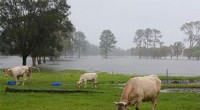
6. Floods: The inundation of an area by water, usually due to heavy rainfall, snowmelt, or storm surges. They can cause significant property damage and displacement.
7. Droughts: Extended periods of below-average rainfall, leading to water shortages, crop failures, and wildfires.
Understanding and Mitigating Risk:
* Geological Hazard Assessment: Identifying areas at risk from geological disasters.
* Early Warning Systems: Systems to detect and alert people to potential disasters.
* Infrastructure Design: Designing buildings and infrastructure to withstand geological events.
* Preparedness and Education: Training people to respond to and recover from geological disasters.
Key Takeaways:
* Geological disasters are powerful forces of nature with significant consequences for humans and the environment.
* Understanding the risks, developing early warning systems, and implementing preparedness measures are crucial to mitigating these risks.
* Continuous research and technological advancements are vital for improving our understanding and ability to manage geological disasters.