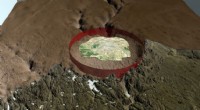
1. Plate Tectonics:
* Convergent Plate Boundaries: This is the most common cause of mountain formation. When two tectonic plates collide, the denser plate subducts (dives) beneath the less dense plate. This process creates a zone of intense pressure and heat, causing the rocks to fold, buckle, and uplift, forming mountain ranges.
* Examples: The Himalayas (India-Eurasian plate collision), the Andes (Nazca-South American plate collision).
* Continental-Continental Collisions: When two continental plates collide, they crumple and fold, creating immense mountain ranges.
* Example: The Himalayas, the Alps, the Appalachian Mountains.
2. Faulting and Uplift:
* Normal Faults: These faults form when tectonic plates pull apart (divergent boundaries). The hanging wall (block above the fault) moves downward relative to the footwall (block below the fault). This can create valleys or rift valleys, but also uplifts.
* Example: The Basin and Range Province in the western US.
* Reverse Faults: These faults occur when tectonic plates collide (convergent boundaries). The hanging wall moves upward relative to the footwall. This can create uplifts and mountains.
* Example: The Sierra Nevada Mountains in California.
3. Volcanic Activity:
* Volcanoes: Magma rising from the Earth's mantle can erupt onto the surface, building up cones and mountains.
* Example: Mount Fuji in Japan, Mount Kilimanjaro in Africa.
4. Erosion:
* Erosion by Wind, Water, and Ice: These forces can shape mountains over long periods. While erosion can wear down mountains, it can also create new landforms, such as canyons, valleys, and mesas.
Factors Influencing the Absence of Mountains:
* Stable Continental Interiors (Cratons): These are areas of the Earth's crust that have been relatively undisturbed by tectonic activity for long periods. They are often flat and featureless.
* Divergent Plate Boundaries: Where plates pull apart, the crust thins and spreads, creating rifts and valleys.
* Flat-Lying Sedimentary Rocks: Areas covered by layers of sedimentary rock tend to be flat, as the weight of the sediments compresses the underlying rock.
In Conclusion:
The formation of mountains is a complex interplay of geological forces. Areas where tectonic plates collide, or where there is significant faulting and uplift, are more likely to be mountainous. Conversely, areas with stable crust, divergent plate boundaries, or extensive sedimentary layers are less likely to be mountainous.