1. Glacial Melting: The eruption's heat melted a significant amount of the glacier covering the volcano. This meltwater caused flash floods, eroding riverbeds and carrying away large amounts of sediment.
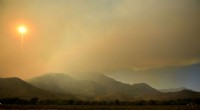
2. Ash Deposition: The eruption spewed vast amounts of ash into the atmosphere, which blanketed the surrounding landscape. This ash layer affected agriculture, as it can be toxic to plants and livestock.
3. Landform Changes: The volcanic eruption created new landforms, including lava flows, craters, and ash cones. These landforms altered the topography of the region, affecting drainage patterns and the local ecosystem.
4. Erosion and Sedimentation: The ash and volcanic debris transported by wind and water caused erosion and sedimentation in surrounding areas. This impacted watercourses, agricultural land, and infrastructure.
5. Changes in Vegetation: The ash deposition and altered soil conditions affected vegetation growth. Some plants were damaged or destroyed, while others thrived in the enriched soil. This impacted the overall biodiversity of the area.
6. Long-term Impact on Soils: The volcanic ash can enrich soil fertility in the long term. However, initial effects can include nutrient depletion and toxicity, leading to changes in plant communities.
7. Glacial Retreat: The eruption's heat significantly impacted the glacier, causing it to retreat. This glacial retreat is ongoing and will continue to shape the landscape for years to come.
Specific Landscape Changes:
* The glacier itself: The eruption significantly reduced the size of the glacier, creating a new glacial lake.
* The surrounding areas: The eruption changed the landscape with ash deposits, new landforms, and altered drainage patterns.
* The river systems: The eruption caused massive flooding, leading to erosion and changes in river courses.
In summary, the eruption of Eyjafjallajökull caused significant changes to the surrounding landscape, impacting the geology, vegetation, and overall biodiversity of the area. The effects of the eruption continue to shape the landscape and will likely have lasting impacts on the ecosystem.