Erosion and deposition are two fundamental processes that constantly reshape the Earth's surface. They work in tandem, like a sculptor and a painter, creating landscapes as diverse as towering mountains and fertile valleys.
Erosion:
* Definition: Erosion is the process of wearing away and transporting soil, rock, and other materials from one location to another. It's like a slow but powerful sculptor, chiseling away at the Earth's features.
* Agents of Erosion: The main agents of erosion are:
* Water: Rain, rivers, and ocean waves are powerful forces that can carve out canyons, create deltas, and erode coastlines.
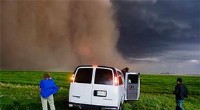
* Wind: Strong winds can pick up and transport soil, sand, and even rocks, creating dunes and deserts.
* Ice: Glaciers are massive sheets of ice that can scrape away mountains, creating U-shaped valleys and depositing sediment far away.
* Gravity: Gravity pulls rocks and soil downslope, leading to landslides, rockfalls, and other forms of mass wasting.
* Examples:
* Grand Canyon: Carved by the Colorado River over millions of years.
* The Great Sand Dunes National Park: Formed by wind depositing sand.
* Yosemite Valley: Shaped by glaciers and the forces of erosion.
Deposition:
* Definition: Deposition is the process of dropping or settling eroded material in a new location. It's like a painter adding color and texture to the landscape.
* How it works: As the energy of the erosive force decreases (e.g., slower moving water or weaker wind), the transported material loses its momentum and settles down.
* Examples:
* Deltas: Formed at the mouths of rivers where sediment is deposited.
* Sandbars: Accumulations of sand deposited by waves and currents.
* Alluvial Fans: Fan-shaped deposits of sediment at the base of mountains.
* Loess: Wind-deposited silt that forms fertile soil.
Relationship between Erosion and Deposition:
Erosion and deposition are inseparable processes. One cannot occur without the other. They are constantly working together to transform the Earth's surface.
Significance:
Erosion and deposition play crucial roles in:
* Landform formation: Shaping mountains, valleys, plains, and coastlines.
* Soil development: Creating fertile soil from eroded material.
* Nutrient cycling: Moving nutrients from one location to another.
* Ecosystem changes: Creating habitats for plants and animals.
Human Impact:
Human activities such as deforestation, agriculture, and construction can accelerate erosion and deposition rates, often with negative consequences. It's important to manage these activities to minimize their impact on the environment.