1. Exploration and Discovery:
* Geological surveys: Scientists study geological maps, rock samples, and satellite imagery to identify areas with potential mineral deposits.
* Exploration drilling: Drill holes are made to collect core samples of rock and soil to analyze mineral content and estimate the size and quality of the deposit.
2. Mining:
* Surface mining: This method is used for deposits near the surface. It involves removing overburden (soil and rock covering the deposit) and excavating the minerals. Types of surface mining include open-pit mining, strip mining, and quarrying.
* Underground mining: This method is used for deposits located deep underground. It involves digging shafts and tunnels to access the minerals. Different underground mining methods include room-and-pillar, longwall, and drift mining.
3. Extraction and Processing:
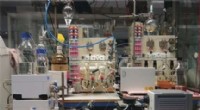
* Extraction: Minerals are extracted from the ore using different methods depending on the type of mineral. This might involve crushing, grinding, flotation, or leaching.
* Processing: The extracted minerals are further processed to remove impurities and refine them into usable forms. This can involve smelting, refining, and other chemical processes.
4. Transportation and Distribution:
* Transportation: Processed minerals are transported to various locations, such as factories, refineries, or consumers.
* Distribution: Minerals are distributed to manufacturers and consumers who use them in a wide range of products.
Different types of minerals require different extraction and processing methods:
* Metallic minerals: These include iron, copper, gold, and aluminum. They are often extracted through smelting, which involves heating the ore to high temperatures to separate the metal from other elements.
* Non-metallic minerals: These include limestone, gypsum, and sand. They are often extracted through quarrying or surface mining and processed through crushing, grinding, or other methods.
Environmental considerations:
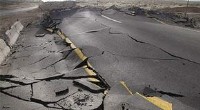
* Mining can have significant environmental impacts, including habitat loss, pollution, and erosion.
* Sustainable mining practices are essential to minimize these impacts. This includes careful planning, waste management, and reclamation of mined land.
Conclusion:
Getting minerals from the earth is a multi-faceted process that involves exploration, mining, extraction, processing, transportation, and distribution. Each step in the process presents its own set of challenges and opportunities, and it is essential to consider environmental and social factors throughout the entire process.