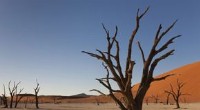
Deserts are characterized by extreme aridity, receiving less than 10 inches of rainfall annually. This dryness significantly influences both the soil composition and physical environment.
Soil Composition:
* Low organic matter: Due to limited vegetation, desert soils are generally low in organic matter, making them nutrient-poor.
* High mineral content: The lack of rainfall means less leaching, resulting in high mineral content, often including salts.
* Sandy texture: Wind erosion plays a major role in deserts, leading to the accumulation of sand and gravel, resulting in sandy soils with poor water retention.
* Distinct layers: Desert soils often have distinct layers, or horizons, formed by the accumulation of different materials over time.
* Presence of caliche: A hardened layer of calcium carbonate can form near the surface, making it difficult for plants to root.
Physical Environment:
* Extreme temperatures: Deserts experience drastic temperature fluctuations, with scorching hot days and freezing cold nights.
* Low humidity: The dry air in deserts leads to low humidity, further exacerbating water scarcity.
* Strong winds: Winds are prevalent in deserts and contribute to erosion, shaping the landscape and creating sand dunes.
* Sparse vegetation: The harsh conditions limit plant growth, resulting in sparse vegetation that is adapted to surviving with little water.
* Limited water availability: Water is scarce in deserts, often found in underground sources like aquifers or ephemeral streams.
Types of Desert Soils:
While the general characteristics mentioned above apply, desert soils vary depending on specific geographic location and factors like:
* Aridity levels: Hyper-arid deserts have even less rainfall and a higher proportion of sand than semi-arid deserts.
* Parent material: The underlying bedrock influences the soil composition and mineral content.
* Biological activity: Microorganisms and limited vegetation play a role in soil formation and nutrient cycling.
Adaptations of Desert Plants:
Plants in deserts have evolved remarkable adaptations to survive in this harsh environment:
* Deep root systems: Reaching deep underground to access water sources.
* Water storage: Succulents like cacti store water in their tissues.
* Reduced leaf surfaces: Minimizing water loss through transpiration.
* Waxy coatings: Protecting plants from the sun and preventing water loss.
Human Impact:
Human activities, such as overgrazing, deforestation, and irrigation, can significantly impact the fragile desert ecosystems, leading to soil degradation, desertification, and biodiversity loss.
Understanding the unique composition and physical environment of deserts is crucial for conserving these fragile ecosystems and managing human activities in these arid regions.