1. Erosion:
* Sheet erosion: This is the gradual removal of a thin layer of soil by the sheer force of flowing water, especially during heavy rain or snowmelt.
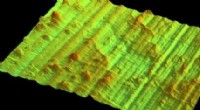
* Rill erosion: As sheet erosion progresses, small channels (rills) form. These channels concentrate the flow of water, increasing its erosive power and deepening the channels.
* Gully erosion: When rills become larger and deeper, they form gullies. These are significant features that can carve deep trenches into the landscape.
2. Transportation:
* Suspension: Fine particles like silt and clay are carried within the water flow, suspended by turbulence.
* Saltation: Larger particles like sand are bounced along the stream bed by the force of the water.
* Bedload: The largest rocks and pebbles are rolled or dragged along the stream bed, causing abrasion and further erosion.
3. Deposition:
* As water flow slows down, it loses its ability to carry sediments. The larger particles are deposited first, followed by smaller ones. This process forms riverbeds, deltas, and other landforms.
Factors that influence the movement of rocks and soil by water:
* Water velocity: Faster water carries more sediment.
* Water volume: A larger volume of water has more erosive power.
* Sediment size and shape: Smaller, rounded particles are easier to transport than larger, angular ones.
* Slope: A steeper slope leads to faster water flow and increased erosion.
* Vegetation: Vegetation helps to stabilize soil and reduce erosion.
* Climate: Heavy rainfall or snowmelt can trigger significant erosion.
Examples of water-driven erosion and transportation:
* The Grand Canyon was carved by the Colorado River over millions of years.
* The Mississippi River carries huge amounts of sediment from the Midwest to the Gulf of Mexico.
* Coastal erosion is a significant problem in many areas, driven by waves and tides.
* Glaciers erode the landscape through abrasion and plucking, transporting rocks and soil.
In conclusion, water plays a crucial role in shaping the Earth's surface. Its erosive power, coupled with its ability to transport sediment, constantly reshapes landscapes, creating new landforms and altering existing ones.