1. Recycling by Plate Tectonics:
* Subduction: The Earth's crust is constantly being recycled. The process of subduction, where denser oceanic plates slide under continental plates, drags the older crust down into the Earth's mantle. Here, it melts and gets reabsorbed.
* Continental Collisions: Even continental plates, which are less dense, can collide and crumple, pushing older crust deeper into the Earth.
2. Erosion and Weathering:
* Over vast timescales, the Earth's surface is subject to relentless weathering and erosion. Rain, wind, ice, and other forces break down rocks and transport them away. This process can slowly erase older crustal features.
3. Metamorphism:
* As rocks are pushed deeper into the Earth, they experience intense heat and pressure. This process, called metamorphism, changes the rocks' composition and structure, often obliterating their original features.
4. Volcanic Activity:
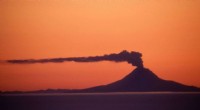
* Volcanic eruptions can release molten rock (magma) onto the Earth's surface, effectively covering older crust with new, younger material.
5. Early Earth Conditions:
* The early Earth was a very different place, with a much hotter surface and intense volcanic activity. The first crust was likely unstable and prone to melting and re-formation.
Where Can We Find Clues?
While we can't hold the earliest crust in our hands, we can study remnants of it indirectly:
* Ancient Zircon Crystals: These durable crystals can survive the destructive processes mentioned above. They contain traces of elements that indicate their formation time, giving us information about the early Earth.
* Greenstone Belts: These ancient rock formations contain a mixture of volcanic and sedimentary rocks, offering clues to early Earth conditions.
* Meteorites: Some meteorites are thought to have similar compositions to the early Earth, providing insights into the building blocks of our planet.
In Summary: The constant churning of the Earth's crust through plate tectonics, coupled with erosion, metamorphism, and volcanic activity, has left us with very few remnants of the earliest crust. However, scientists use indirect evidence to understand and piece together the history of our planet.