* Oceans: The largest component, covering about 71% of the Earth's surface.
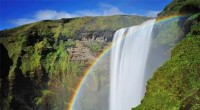
* Lakes and Rivers: Freshwater bodies that are essential for life and transportation.
* Groundwater: Water stored beneath the Earth's surface.
* Glaciers and Ice Caps: Frozen water that makes up a significant portion of the hydrosphere.
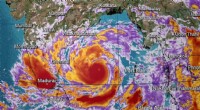
* Atmosphere: Water vapor in the air, which is crucial for weather patterns.
Key features of the hydrosphere:
* Continuously moving and changing: Water cycles through the Earth's systems, constantly evaporating, condensing, precipitating, and flowing.
* Essential for life: Water is necessary for all known forms of life, and the hydrosphere supports a wide range of ecosystems.
* Influences climate: The hydrosphere plays a major role in regulating global temperature and weather patterns.
* Interconnected with other Earth systems: The hydrosphere interacts with the atmosphere, lithosphere (Earth's crust and upper mantle), and biosphere (all living things).
It's important to note that the term "hydrosphere" specifically refers to the water itself, not the physical features that contain it (like oceans, lakes, etc.).