Where Deposition Occurs:
* Rivers: As rivers flow, they carry sediments downstream. When the river slows down, loses energy, or reaches a wider, flatter area, the sediments settle and deposit. This creates features like deltas, floodplains, and riverbeds.
* Oceans: Waves and currents carry and deposit sediments along coastlines, forming beaches, sandbars, and offshore deposits.
* Lakes: Similar to rivers, lakes collect sediments from their surroundings, often creating layers of mud, silt, and organic matter at the bottom.
* Wind: Wind carries and deposits fine sediment like sand and dust, creating sand dunes, loess deposits, and even soil in some areas.
* Glaciers: As glaciers move and melt, they drop the rocks and sediment they have been carrying, forming glacial till deposits, moraines, and outwash plains.
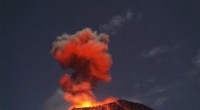
* Volcanoes: Volcanoes erupt and deposit ash, lava flows, and volcanic debris in the surrounding area.
* Caves: Water dissolving limestone in caves can deposit calcium carbonate, forming stalactites, stalagmites, and other cave formations.
How Deposition Occurs:
* Gravity: Gravity pulls sediment downwards, causing it to settle and accumulate in low-lying areas.
* Reduced Velocity: When water or wind slows down, it loses energy, causing the sediments it carries to settle. This is especially true for rivers, streams, and oceans.
* Changes in Water Depth: As water depth changes, the carrying capacity of the water changes, causing sediments to be deposited.
* Changes in Current Direction: Changes in current direction can cause sediments to be deposited in new locations.
* Evaporation: As water evaporates, it leaves behind dissolved minerals, which can precipitate out and form deposits.
* Biological Processes: Organisms like corals, mollusks, and plants can contribute to deposition by building reefs, shells, and other structures.
Important Note: Deposition is a continuous process that shapes the Earth's surface over time. It is often balanced by erosion, another geological process that removes and transports sediments. The balance between deposition and erosion is a key factor in shaping landscapes.