Why Some Igneous Rocks are More Resistant:
* Mineral Composition: Igneous rocks often contain minerals like quartz and feldspar, which are very resistant to chemical weathering.
* Crystal Structure: The tightly interlocked crystals in igneous rocks make them more resistant to physical weathering like abrasion and freeze-thaw cycles.
* Hardness: Many igneous rocks are harder than sedimentary rocks, making them more resistant to abrasion and erosion.
Why Some Sedimentary Rocks are Resistant:
* Cementation: Well-cemented sedimentary rocks can be very resistant to weathering, especially chemical weathering.
* Quartz Content: Sandstone, a sedimentary rock, is very resistant to weathering due to its high quartz content.
* Rock Type: Some sedimentary rocks like limestone and shale are susceptible to chemical weathering, while others like quartzite and conglomerate are very resistant.
Key Factors Affecting Weathering Resistance:
* Climate: Weathering processes are greatly influenced by climate. Dry climates favor physical weathering, while humid climates promote chemical weathering.
* Rock Structure: Fractures, joints, and bedding planes in rocks can create pathways for water and weathering agents to penetrate, accelerating weathering.
* Organic Activity: Plant roots, burrowing animals, and microorganisms can contribute to physical and chemical weathering.
In conclusion:
While some igneous rocks are generally more resistant to weathering due to their mineral composition and structure, it's not a universal rule. The type of weathering, specific rock type, and other factors all contribute to how resistant a rock is.
For example:
* Basalt, a common igneous rock, is easily weathered by chemical weathering.
* Granite, another igneous rock, is much more resistant to weathering.
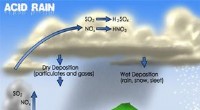
* Limestone, a sedimentary rock, is easily weathered by acid rain, while quartzite, also a sedimentary rock, is very resistant.