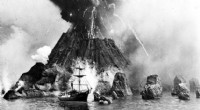
* Volcanic Eruptions: The mountains are remnants of a series of volcanic eruptions that released lava and ash. The eruptions were relatively small and short-lived, creating a series of volcanic plugs and domes.
* Erosion: Over millions of years, wind, rain, and other natural forces eroded the surrounding softer rock, leaving behind the harder volcanic plugs. These plugs, which were originally buried deep underground, are now exposed as the distinctive peaks we see today.
* Formation of the Glass House Mountains: The name comes from the appearance of the mountains from a distance, which are thought to resemble glass furnaces or ovens. The glassy appearance is caused by the reflection of sunlight off the smooth, hard surfaces of the volcanic rocks.
Specific Types of Volcanic Rock:
* The Glass House Mountains are primarily composed of rhyolite, a type of volcanic rock that is rich in silica and has a high viscosity. This high viscosity is what causes the lava to flow slowly and build up into the steep, dome-like structures we see today.
* Other rock types present include basalt, andesite, and dacite, which all contribute to the unique composition and appearance of these remarkable formations.
The Glass House Mountains are a significant landmark and geological wonder, offering insights into the geological history of Queensland and the power of volcanic activity.