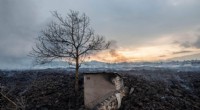
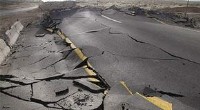
1. Land: This includes all the continents and islands, which make up about 29% of Earth's surface.
2. Water: This refers to all the oceans, seas, lakes, rivers, and other bodies of water, covering about 71% of Earth's surface.
3. Ice: This includes glaciers, ice caps, and sea ice, which are found primarily in polar regions and high mountains. While ice covers a relatively small portion of Earth's surface, it plays a significant role in the Earth's climate and ecosystems.
It's worth noting that these surfaces are not always distinct and often interact with each other. For example, glaciers can flow into the ocean, and rivers can carve canyons into the land.