1. Weathering: This is the initial process where rocks and other materials are broken down into smaller pieces. This can happen due to:
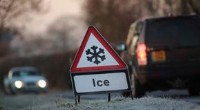
* Physical Weathering: Forces like wind, rain, ice, or temperature changes break down rocks.
* Chemical Weathering: Chemical reactions (like acid rain) dissolve or change the composition of rocks.
* Biological Weathering: Living organisms like plants and animals can contribute to weathering.
2. Erosion: Once weathered materials are loosened, they are picked up and transported by forces like:
* Wind: Carries dust, sand, and smaller particles.
* Water: Rivers, streams, oceans, and rain carry sediments.
* Ice: Glaciers and ice sheets can carve out large amounts of material.
* Gravity: Landslides and rockfalls move materials downhill.
3. Deposition: As the erosive forces lose energy, the transported sediments are dropped in a new location. This happens when:
* Wind slows down: Sand dunes, loess deposits.
* Water flow decreases: River deltas, beaches, sediment layers in lakes and oceans.
* Glaciers melt: Glacial moraines, glacial outwash plains.
* Gravity slows down: Talus slopes at the base of cliffs.
Important Note: The processes of weathering, erosion, and deposition are interconnected and often occur simultaneously. They are part of a continuous cycle that shapes the Earth's surface over time.