1. Physical Weathering:
* Frost wedging: Water seeps into cracks in the granite, freezes, expands, and widens the cracks.
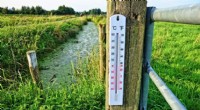
* Thermal expansion and contraction: The granite expands when heated by the sun and contracts when cooled, causing stress that can lead to cracking.
* Abrasion: Rocks and sand carried by wind, water, or ice can scrape and wear away at the granite.
* Exfoliation: As the granite is exposed to the surface, the outer layers peel away in sheets.
2. Chemical Weathering:
* Hydrolysis: Water reacts with the minerals in the granite, breaking them down and forming clay minerals.
* Oxidation: Iron in the granite reacts with oxygen, forming iron oxides like rust, which weakens the rock.
* Carbonation: Carbon dioxide dissolved in rainwater forms carbonic acid, which reacts with the minerals in the granite, dissolving them.
* Biological weathering: Plant roots can grow into cracks in the granite, widening them, and lichens and algae can produce acids that erode the rock.
3. Biological Weathering:
* Plants and animals: Plant roots, burrowing animals, and even lichens can physically break down granite.
* Organic acids: Decaying plant and animal matter produces acids that can dissolve minerals in the granite.
The end result:
* Soil: Over time, the weathered granite particles mix with organic matter (decomposed plant and animal material) to form soil.
* Sediment: The smaller pieces of granite, along with other weathered material, are transported by wind, water, or ice to form sediment that can be deposited in various locations.
Therefore, granite doesn't directly turn into something else, but it breaks down into smaller components that contribute to the formation of soil and sediment.