Physical Processes:
* Weathering:
* Freeze-thaw: Water seeps into cracks in the limestone, freezes, expands, and widens the cracks, eventually breaking the rock apart.
* Abrasion: Wind-blown sand and rocks, or flowing water carrying sediment, can grind against the limestone, wearing it away.
* Thermal shock: Rapid temperature changes can cause the limestone to expand and contract, leading to fracturing.
* Gravity: Gravity can cause rocks to fall from cliffs, leading to erosion at the base of the cliff.
Chemical Processes:
* Dissolution: Limestone is primarily composed of calcium carbonate, which is soluble in acidic water.
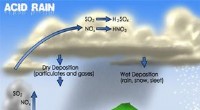
* Rainwater: Even slightly acidic rainwater can dissolve limestone over time.
* Carbonic acid: Rainwater absorbs carbon dioxide from the atmosphere, forming carbonic acid, which is even more effective at dissolving limestone.
* Organic acids: Plant roots and decaying organic matter release acids that can also dissolve limestone.
* Biological weathering: Lichens and other organisms can produce acids that contribute to limestone erosion.
Other Factors:
* Ocean waves: The force of waves crashing against coastal limestone can cause significant erosion.
* Human activities: Mining, construction, and pollution can accelerate limestone erosion.
Important Notes:
* The rate of erosion varies greatly: Depending on the climate, geology, and other factors, limestone erosion can be very slow or very rapid.
* Erosion creates unique features: Over long periods, limestone erosion can create dramatic landscapes like caves, sinkholes, and karst topography.
In summary, limestone erosion is a complex process influenced by a variety of factors, including weather, gravity, chemical reactions, and biological activity. It is a natural process that contributes to the formation of unique geological features.