1. Abrasion:
* Water as a carrying agent: Water, especially when flowing in rivers or streams, can carry sand, gravel, and other rock fragments. These particles act like sandpaper, grinding against the rock bed and wearing it down.
* Gravity's role: Gravity pulls the water downwards, giving it force and allowing it to carry heavier particles that can cause more significant erosion.
2. Hydraulic Action:
* Force of water: The sheer force of moving water, especially when it rushes through narrow passages or over waterfalls, can physically break apart rock.
* Gravity's role: Gravity influences the speed and volume of water flow, making it more powerful.
3. Solution (Dissolution):
* Chemical weathering: Water is a natural solvent, and it can dissolve certain types of rocks like limestone and marble.
* Gravity's role: Gravity plays a role in the formation of underground rivers and caves, which are often formed by the dissolution of rock by acidic water.
4. Freeze-Thaw Weathering:
* Water expansion: Water expands when it freezes. If water seeps into cracks in rocks, it can freeze and expand, putting pressure on the rock.
* Gravity's role: Gravity pulls the water down into cracks, and the repeated freeze-thaw cycles weaken the rock, making it more susceptible to erosion by other processes.
5. Mass Wasting:
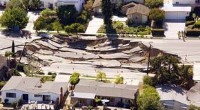
* Gravity's dominant force: Gravity is the primary force behind landslides, rockfalls, and other mass wasting events. These events can significantly alter landscapes and expose fresh rock surfaces to erosion.
* Water's role: Water can contribute to mass wasting in several ways:
* Saturation: Waterlogged soil and rock become heavier and more prone to sliding.
* Lubrication: Water can act as a lubricant, making it easier for rock and soil to move.
Overall:
Water and gravity work in tandem, often amplifying each other's effects to create a powerful erosive force. Water provides the energy and carrying capacity, while gravity provides the direction and force for the erosion to occur.