Internal Forces:
* Tectonic Plates: The Earth's crust is made up of massive, moving plates. These plates collide, pull apart, and slide past each other, leading to:
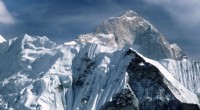
* Mountain building: When plates collide, they buckle and fold, forming mountain ranges.
* Volcanism: When plates pull apart, magma rises from the Earth's mantle, erupting as volcanoes.
* Earthquakes: The sudden release of built-up pressure along plate boundaries causes earthquakes.
* Magma: The molten rock beneath the Earth's surface can also directly shape the land.
* Intrusive Igneous Rocks: Magma cools and solidifies underground, forming formations like batholiths, laccoliths, and dikes.
* Extrusive Igneous Rocks: When magma erupts on the surface, it cools and forms lava flows, volcanic cones, and other volcanic features.
External Forces:
* Weathering: The breakdown of rocks and minerals by physical and chemical processes.
* Physical Weathering: Freezing and thawing of water, abrasion by wind or water, and plant roots can break down rocks mechanically.
* Chemical Weathering: Rainwater, acidic solutions, and oxidation can dissolve or alter rocks chemically.
* Erosion: The transport of weathered material by wind, water, or ice.
* Wind Erosion: Wind can pick up and transport sand, silt, and dust, shaping landscapes like deserts and dunes.
* Water Erosion: Rivers, streams, and waves carry away weathered material, carving valleys, canyons, and coastlines.
* Glacial Erosion: Ice sheets and glaciers scrape and scour the land, creating U-shaped valleys, cirques, and moraines.
* Deposition: The settling and accumulation of eroded material in new locations.
* Rivers: Carry sediment downstream, depositing it as floodplains, deltas, and alluvial fans.
* Glaciers: Leave behind deposits of till and outwash, creating glacial plains and moraines.
* Wind: Deposits sand and dust, forming dunes, loess deposits, and other aeolian features.
Other Shaping Factors:
* Gravity: Plays a role in slope stability, landslides, and mass wasting, moving material downhill.
* Organic Activity: Plants and animals can contribute to weathering and erosion, and create new soil and landforms.
* Human Activities: Mining, deforestation, agriculture, and urbanization can significantly impact the Earth's surface.
The Dynamic Nature of Landforms:
It's important to note that these processes are constantly interacting and overlapping, making the Earth's surface a dynamic and ever-changing environment. Landforms are not static but are constantly being shaped and reshaped over time. The processes described above are responsible for the wide diversity of landscapes we see on Earth, from towering mountains to vast deserts to fertile plains.