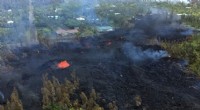
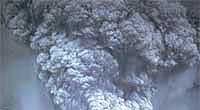
1. Geosphere: This is the solid, non-living part of the Earth, including rocks, minerals, and landforms. Paleontologists study fossils found within rocks, which provide information about the Earth's history, past environments, and the evolution of life.
2. Biosphere: This is the part of the Earth that supports life, including all living organisms and their interactions with the environment. Paleontologists examine the fossils of ancient organisms to understand their anatomy, behavior, evolution, and how they interacted with their ecosystems.
While paleontology mainly focuses on these two parts, it can also overlap with the hydrosphere (oceans, lakes, rivers) when studying marine fossils and the atmosphere when examining the impact of past climate changes on life.