Here's why:
* Volcanic Activity is Complex: The type of eruption depends on factors like the magma's composition (viscosity, gas content), the depth of the magma chamber, and the surrounding rock structure.
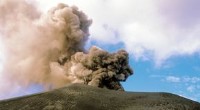
* Eruption Styles: Even volcanoes known for effusive eruptions (like those with flowing lava) can have explosive phases, especially if gas pressure builds up rapidly.
Examples of Volcanoes with Primarily Effusive Eruptions:
While no volcano is strictly non-explosive, some are known for predominantly effusive eruptions, such as:
* Kilauea (Hawaii): Famous for its continuous lava flows and relatively gentle eruptions. However, Kilauea has also had explosive events in the past, including a significant ash explosion in 1924.
* Mauna Loa (Hawaii): Similar to Kilauea, Mauna Loa is known for its effusive eruptions but has also had occasional, smaller explosive phases.
* Mount Etna (Italy): Although Etna is known for its frequent lava flows, it also has a history of explosive activity, including powerful eruptions that can produce ash clouds and pyroclastic flows.
It's Crucial to Remember: Even "non-explosive" eruptions can be dangerous. Lava flows can be highly destructive, and the release of gases like sulfur dioxide can pose health risks.
Conclusion: While some volcanoes are more prone to effusive eruptions than others, there is no volcano that *exclusively* has non-explosive eruptions. The nature of volcanic activity is complex and constantly evolving.