1. Color: The rock will become lighter in color. Felsic minerals like quartz and feldspar are typically light-colored, while mafic minerals like pyroxene and olivine are dark.
2. Density: The rock will become less dense. Felsic minerals have lower densities than mafic minerals.
3. Melting Point: The rock will have a higher melting point. Felsic minerals have higher melting points than mafic minerals.
4. Viscosity: The magma formed from the rock will become more viscous (thicker). This is because felsic minerals have a higher silica content, which makes the magma more resistant to flow.
5. Chemical Composition: The rock will have a higher silica content and lower iron, magnesium, and calcium content.
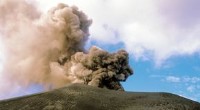
6. Explosive Potential: The increased silica content can make the magma more likely to erupt explosively. This is because the higher viscosity traps gases, leading to a buildup of pressure.
7. Rock Type: The rock will be classified as more felsic. This means it will have a higher proportion of silica and other light elements compared to mafic rocks.
Examples:
* Granite: A felsic igneous rock with a high percentage of quartz and feldspar. It is light-colored, dense, and has a high melting point.
* Basalt: A mafic igneous rock with a lower percentage of felsic minerals. It is dark-colored, dense, and has a lower melting point.
In summary, an increase in felsic minerals results in a lighter, less dense, and more viscous rock with a higher melting point and potential for explosive eruptions. This change in mineral composition influences the characteristics of the rock and the magma it forms.