Erosion and deposition are two powerful forces that constantly sculpt the Earth's surface, and mountains are no exception. They work together in a dynamic cycle to reshape mountain ranges over time:
Erosion:
* Weathering: The first step is weathering, where rocks are broken down into smaller pieces. This can be caused by:
* Physical weathering: Freezing/thawing cycles, abrasion by wind and water, and the expansion and contraction of rocks due to temperature changes.
* Chemical weathering: Reactions between rock minerals and rainwater, creating new minerals that are weaker and easier to break down.
* Transport: Once weathered, the rock fragments are picked up and moved by agents like:
* Wind: Carrying fine sand and dust, creating sand dunes and sculpting rock formations.
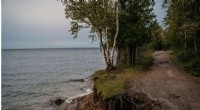
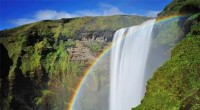
* Water: Rivers, streams, and rain erode valleys and canyons, carrying away sediment downstream.
* Glaciers: Massive ice sheets that carve out valleys, transport boulders, and deposit them elsewhere.
* Gravity: Landslides, rockfalls, and soil creep move material downslope.
Deposition:
* As the agents of transport lose energy, they deposit the eroded material.
* This creates new landforms like:
* Alluvial fans: Deposits of sediment at the base of mountains.
* Delta: Sediment deposited where a river meets a lake or sea.
* Sand dunes: Deposits of wind-blown sand.
* Moraines: Deposits of sediment left by glaciers.
How these processes affect mountain ranges:
* Smoothing: Erosion gradually wears down mountain peaks and slopes, making them less steep and rugged.
* Carving: Erosion can create canyons, valleys, and gorges within the mountain range, changing its shape and appearance.
* Building: Deposition creates new landforms at the base of the mountain range, like alluvial fans and deltas, that can extend the range or create new areas of land.
* Changing Elevation: Erosion can lower the overall elevation of a mountain range over time, while deposition can create new areas of elevation.
Overall, the balance of erosion and deposition determines the long-term evolution of a mountain range:
* Dominant Erosion: If erosion is dominant, the mountain range will gradually be worn down, eventually becoming a plain.
* Dominant Deposition: If deposition is dominant, the mountain range can grow larger, forming new landforms.
* Dynamic Equilibrium: Often, erosion and deposition are in a dynamic equilibrium, shaping the mountain range in a constant cycle of creation and destruction.
It is important to remember that erosion and deposition are slow processes, often taking millions of years to create dramatic changes in a mountain range. However, their effects are undeniable, constantly sculpting the Earth's landscape, including its magnificent mountain ranges.