1. Physical Weathering: This is the mechanical breakdown of rocks into smaller pieces. Here are some examples:
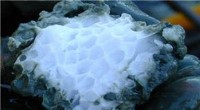
* Frost Wedging: Water seeps into cracks in rocks. When it freezes, it expands and puts pressure on the rock, eventually causing it to break.
* Thermal Expansion and Contraction: Rocks expand when heated and contract when cooled. This repeated expansion and contraction can cause cracks and eventually break the rock.
* Abrasion: Rocks rub against each other, wearing them down. This can happen in rivers, glaciers, or by wind carrying sand.
* Root Wedging: Plant roots can grow into cracks in rocks and break them apart.
2. Chemical Weathering: This is the breakdown of rocks by chemical reactions. Here are some examples:
* Oxidation: Oxygen reacts with minerals in rocks, changing their composition and weakening them. This is what causes rust.
* Hydrolysis: Water reacts with minerals in rocks, changing their composition and making them softer.
* Carbonation: Carbon dioxide dissolved in water forms carbonic acid, which can dissolve some types of rocks like limestone.
* Acid Rain: Rainwater that is acidic from pollution can react with rocks and break them down.
Once the rocks are broken down into smaller pieces, they mix with organic matter (dead plants and animals) to form soil. The process of forming soil is called pedogenesis. It involves:
* Decomposition: Organic matter is broken down by microorganisms, releasing nutrients.
* Humification: Organic matter transforms into humus, a dark, rich substance that improves soil structure and holds water.
* Mineralization: Minerals are released from rocks and become available to plants.
Overall, the process of turning rocks into soil is a slow and complex one that involves both physical and chemical weathering and the addition of organic matter. The type of soil that forms depends on the parent rock material, the climate, the topography, and the amount of time the process has been happening.