Understanding the Challenges
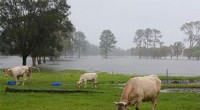
* Holocene Flood Deposit: This is a relatively young deposit (around 11,700 years old to present).
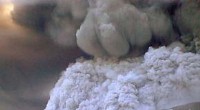
* Permian Felsic Volcanic Unit: This is incredibly old (around 299 to 252 million years old).
Dating Methods and Their Suitability
* Radiocarbon Dating (C-14):
* Holocene Flood Deposit: Excellent for dating the log itself if it's younger than ~50,000 years (the limit of C-14 dating). This could directly date the age of the flood event.
* Permian Felsic Volcanic Unit: Not suitable. C-14 has a half-life too short to provide meaningful results for materials this old.
* Potassium-Argon Dating (K-Ar):
* Holocene Flood Deposit: Not suitable. K-Ar dating is designed for much older materials.
* Permian Felsic Volcanic Unit: Excellent. Felsic volcanic rocks often contain enough potassium to allow for accurate dating. This method could give you an age for the volcanic eruption.
* Argon-Argon Dating (Ar-Ar):
* Holocene Flood Deposit: Not suitable.
* Permian Felsic Volcanic Unit: Excellent. Ar-Ar is a more precise and reliable method than K-Ar for dating volcanic rocks.
* Luminescence Dating:
* Holocene Flood Deposit: Potentially useful for dating the sediments surrounding the log. This could provide information about the timing of the flood.
* Permian Felsic Volcanic Unit: Not suitable. Luminescence dating is generally used for younger materials.
* Dendrochronology (Tree-Ring Dating):
* Holocene Flood Deposit: Potentially useful if the log has well-preserved growth rings and can be matched to a regional tree-ring chronology. This could give a precise date for when the tree died.
* Permian Felsic Volcanic Unit: Not suitable. Trees from this period are unlikely to have preserved rings.
Summary
* For the Holocene flood deposit, radiocarbon dating, luminescence dating, and potentially dendrochronology could be applied.
* For the Permian felsic volcanic unit, potassium-argon (K-Ar) or argon-argon (Ar-Ar) dating are the best options.
Important Notes:
* The specific dating method chosen will depend on the preservation of the log and the surrounding sediments, as well as the availability of suitable laboratory facilities.
* It's crucial to consult with a geologist or geochronologist specializing in these methods for the best application and interpretation of the results.