Here's a breakdown:
* Biosphere: This encompasses all living organisms and the environments they inhabit. It includes:
* Atmosphere: The layer of gases surrounding the Earth.
* Hydrosphere: All the water on Earth, including oceans, lakes, rivers, and groundwater.
* Lithosphere: The Earth's crust and upper mantle.
* Pedosphere: The layer of soil on Earth's surface.
What makes the biosphere suitable for life?
* Temperature range: Earth's temperature is within a range that allows for liquid water, essential for most life forms.
* Liquid water: Water is a universal solvent, crucial for chemical reactions and transporting nutrients within organisms.
* Atmosphere: Provides oxygen for respiration and protects from harmful radiation.
* Nutrients: The biosphere contains the necessary chemical elements for life, including carbon, nitrogen, and phosphorus.
* Energy: Earth receives energy from the sun, which fuels photosynthesis and drives ecosystems.
It's important to note that:
* The biosphere is not uniform: Different parts of the biosphere have varying conditions and support diverse life forms.
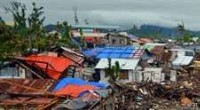
* Human activities are impacting the biosphere: Pollution, climate change, and habitat destruction are causing significant changes to the biosphere, affecting the survival of many species.
Understanding the biosphere is crucial for appreciating the interconnectedness of life on Earth and for taking steps to protect it.