1. Subduction:
* Denser Oceanic Plate Sinks: Oceanic crust is denser than continental crust. As the two plates collide, the denser oceanic plate is forced to bend and slide underneath the continental plate. This process is called subduction.
* Formation of the Subduction Zone: The area where the oceanic plate descends beneath the continental plate is called the subduction zone. This is a region of intense geological activity.
2. Volcanic Arcs and Mountain Ranges:
* Magma Generation: As the oceanic plate descends, it is subjected to intense heat and pressure. This melts the surrounding mantle rock, creating magma.
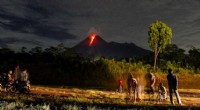
* Volcanoes: The magma rises to the surface, often erupting through the continental plate, forming chains of volcanoes known as volcanic arcs. Examples include the Andes Mountains in South America and the Cascade Range in North America.
* Mountain Building: The collision and subduction process can also push up the continental crust, creating mountain ranges. The Himalayas, for example, formed due to the collision of the Indian and Eurasian plates.
3. Trenches and Earthquakes:
* Ocean Trenches: The point where the oceanic plate bends and starts to descend is marked by a deep depression in the ocean floor called an ocean trench. The Mariana Trench, the deepest point on Earth, was formed this way.
* Earthquakes: The subduction process is not smooth. The plates can stick together, causing strain to build up. When this strain is released, it produces powerful earthquakes.
4. Other Features:
* Accretionary Prisms: As the oceanic plate descends, sediments and rock scraped off its surface accumulate at the edge of the continental plate, forming a wedge-shaped structure called an accretionary prism.
* Back-Arc Basins: In some cases, the pulling of the subducting plate can create a space behind the volcanic arc, leading to the formation of a back-arc basin.
In Summary:
The collision between an oceanic and continental plate is a complex and powerful geological process that shapes the Earth's surface. It leads to the formation of volcanoes, mountain ranges, trenches, earthquakes, and other important features. This process is crucial for understanding the dynamics of our planet and the geological history of Earth.