Here's a breakdown:
* Felsic rocks are rich in silica (SiO2), which gives them a lighter color. Common examples include granite and rhyolite.
* Intermediate rocks fall between felsic and mafic in composition. Common examples include diorite and andesite.
These rocks are often formed from:
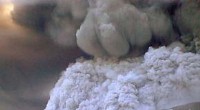
* Igneous activity: Volcanic eruptions and intrusions of magma from the Earth's mantle.
* Metamorphism: Existing rocks are transformed by heat and pressure deep within the Earth.
While there are some mafic rocks (like basalt) present in the continental crust, they are less abundant than felsic and intermediate rocks.
Important note: The continental crust is highly heterogeneous. It can vary significantly in composition and age across different locations. However, felsic and intermediate rocks make up the majority of the material.