Here's a breakdown of the key terms:
* Crustal plates: These are the outermost layer of the Earth, composed of the Earth's crust and the uppermost part of the mantle.
* Tectonic plates: These are large, irregularly shaped slabs of solid rock that make up the Earth's lithosphere. They move slowly over the asthenosphere, which is a semi-molten layer of the upper mantle.
The movement of tectonic plates is responsible for many geological features, including:
* Earthquakes: When plates collide or slide past each other, they release energy in the form of seismic waves, causing earthquakes.
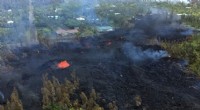
* Volcanoes: Magma, molten rock from the mantle, can rise to the surface at plate boundaries, creating volcanoes.
* Mountain ranges: Collisions between tectonic plates can force rock upward, creating mountains.
* Ocean trenches: When one plate subducts (slides beneath) another, it can create a deep trench in the ocean floor.
Understanding tectonic plates is essential for understanding the Earth's dynamic geology.