* Soil Types are Varied: Soil is formed over time from weathered rock, organic matter, and other materials. It can be very diverse, with variations in texture, composition, and depth. Some soils are naturally rocky due to the parent rock material.
* Location Matters: Rocky and difficult to reach soil can occur in many places:
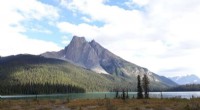
* Mountainous Regions: High elevations often have thin, rocky soil due to erosion and lack of organic matter.
* Coastal Areas: Rocky shores and cliffs can have limited soil development.
* Desert Regions: Arid environments often have shallow, stony soils.
* Areas with Bedrock Close to the Surface: This can be found in various landscapes, not just mountainous areas.
Instead of "level", it's more helpful to consider these factors:
* Depth of Soil: Rocky soil with a shallow depth is more difficult to work with.
* Rock Size and Distribution: Larger rocks and a higher density of rocks make soil more difficult to reach and cultivate.
* Terrain: Steep slopes and uneven terrain can make access to soil challenging.
To determine the level of "rockiness" in a specific location, you would need to:
1. Observe the area: Look at the surface of the soil, the size and density of rocks, and the terrain.
2. Consider the geological history: Learn about the local geology to understand the formation of the soil.
3. Dig a test hole: This can help you assess the depth and composition of the soil.