* Oceanic Crust: Oceanic crust is denser than continental crust because it is primarily composed of basalt, a dense, mafic rock. It's also thinner than continental crust.
* Continental Crust: Continental crust is less dense due to its composition of granite, a less dense, felsic rock. It's also thicker than oceanic crust.
The Subduction Process:
1. Collision: When tectonic plates collide, the denser oceanic crust is forced beneath the less dense continental crust. This is due to the force of gravity pulling the denser material downwards.
2. Subduction Zone: The zone where the oceanic plate sinks beneath the continental plate is called a subduction zone.
3. Melting: As the oceanic plate descends, it encounters increasing temperature and pressure. The heat melts the oceanic crust, creating magma.
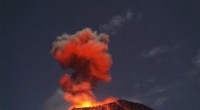
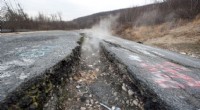
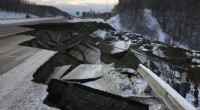
4. Volcanoes and Earthquakes: This magma rises to the surface, often forming volcanoes along the edge of the continental plate. The subduction process also generates significant seismic activity, resulting in earthquakes.
Key Points:
* The density difference is the primary driving force behind subduction.
* Subduction is a fundamental process in plate tectonics, shaping Earth's continents, oceans, and mountains.
* Subduction zones are often associated with volcanic arcs, deep ocean trenches, and intense earthquake activity.
Let me know if you have any more questions!