Here's a breakdown:
1. Rock Layers (Stratigraphy):
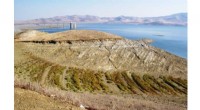
* Sedimentary rocks are formed from layers of sediment that accumulate over time. The oldest layers are usually at the bottom, while the youngest are on top (unless there's been geological disturbance).
* Fossils: The types of fossils found within each layer can tell us about the organisms that lived during that time.
2. Geological Time Scale:
* Based on the layers of rock and their fossils, geologists have created the geological timescale, which divides Earth's history into different eras, periods, and epochs.
* Each era is characterized by major changes in lifeforms and Earth's geological history.
Key Points:
* Correlation: Scientists correlate rock layers from different locations by comparing their fossils and geological characteristics.
* Radiometric Dating: Radioactive isotopes in rocks can be used to determine their age with a high degree of accuracy, further solidifying our understanding of the timeline.
Example:
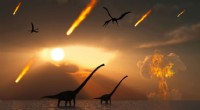
* The Mesozoic Era (252 - 66 million years ago) is known for dinosaurs. We know this because their fossils are abundant in the rock layers formed during this era.
In summary, the rock layers themselves don't "indicate" eras; they *contain the evidence* (fossils and rock characteristics) that allows us to *define* and understand Earth's eras.