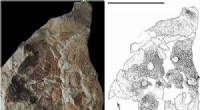
* Evolutionary changes: Fossils found in higher layers, which are younger, often show changes from those found in lower, older layers. This helps scientists trace the evolution of species over time.
* Extinction events: The disappearance of certain types of fossils in higher layers can indicate extinction events, allowing scientists to study what caused them and how life recovered.
* Climate change: The types of fossils found can reflect the environment in which the organisms lived. Changes in fossil types can indicate changes in climate, such as warmer or cooler temperatures, wetter or drier conditions.
* Continental drift: Fossil distributions can be used to support the theory of continental drift. Similar fossils found on different continents can indicate that they were once connected.
* Relative age of rocks: Fossils are used as "index fossils," helping to date sedimentary rock layers. Fossils with a known age range can be used to estimate the age of rocks in which they are found.
In short, comparing fossils in different layers allows scientists to piece together a detailed picture of the Earth's history, the evolution of life, and the changing environments of the past.