The Earth's rocks are constantly changing, undergoing a fascinating journey known as the rock cycle. This cycle is driven by the relentless forces of Earth's internal heat, pressure, and the ever-present influence of weather and time. Here's a breakdown of the three main types of rocks and the processes that shape them:
1. Igneous Rocks:
* Formation: These rocks are born from molten rock, called magma, deep within the Earth. When magma reaches the surface through volcanic eruptions, it cools and solidifies, forming extrusive igneous rocks like basalt and obsidian. If magma cools and crystallizes beneath the Earth's surface, it forms intrusive igneous rocks like granite and gabbro.
* Change: Igneous rocks can weather and erode, breaking down into smaller pieces. These sediments can be transported by wind, water, or ice and later form sedimentary rocks. They can also be subjected to intense heat and pressure, transforming them into metamorphic rocks.
2. Sedimentary Rocks:
* Formation: These rocks are formed from the accumulation and cementation of sediments. Sediments can be fragments of other rocks, minerals, or even the remains of ancient organisms. Over time, these sediments are compacted and cemented together, forming layers.
* Change: Sedimentary rocks can be uplifted and exposed to weathering and erosion, breaking down into smaller sediments that can form new sedimentary rocks. They can also be buried under layers of other rocks, subjected to heat and pressure, and transformed into metamorphic rocks.
3. Metamorphic Rocks:
* Formation: These rocks are formed when existing igneous or sedimentary rocks are subjected to intense heat and pressure deep within the Earth's crust. These conditions cause the rock's minerals to recrystallize and change their structure, forming new textures and minerals.
* Change: Metamorphic rocks can be further buried and subjected to even higher temperatures and pressures, ultimately melting into magma and starting the igneous rock cycle anew. They can also be exposed to weathering and erosion, breaking down into sediments that form sedimentary rocks.
Key Processes Shaping the Rock Cycle:
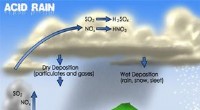
* Weathering: The breakdown of rocks by physical or chemical processes.
* Erosion: The movement of weathered rock fragments by wind, water, or ice.
* Deposition: The settling of eroded sediments.
* Compaction: The squeezing of sediments together by the weight of overlying sediments.
* Cementation: The process by which minerals precipitate from groundwater, binding sediments together.
* Heat and Pressure: The forces that transform existing rocks into metamorphic rocks.
* Melting: The process by which rocks transform into magma.
* Crystallization: The cooling and solidification of magma into igneous rocks.
The rock cycle is a continuous process, with rocks constantly being formed, broken down, and transformed. It is a beautiful testament to the Earth's dynamic nature and the power of its internal forces.