Here's a breakdown of what makes them unique and some examples:
Characteristics of Andisols:
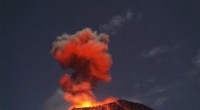
* High in Volcanic Ash: These soils form from the weathering of volcanic ash, rich in minerals like aluminum, iron, and silica.
* Dark Color: They often have a dark, almost black color due to the presence of organic matter and the high concentration of volcanic glass.
* High Water Retention: The ash particles create a porous structure that retains moisture well.
* High Cation Exchange Capacity (CEC): This means they can hold onto nutrients, making them fertile for plants.
* Unique Minerals: They contain minerals like allophane and imogolite, not found in other soil types.
Examples of Volcanic Soils:
* Hawaii: The fertile soils of the Hawaiian Islands are classic examples of Andisols.
* Japan: Japan's volcanic landscapes also produce Andisols, supporting diverse plant life.
* Indonesia: The volcanic islands of Indonesia are known for their fertile Andisols.
* Central America: Many countries in Central America, like Guatemala and El Salvador, have volcanic soils that are important for agriculture.
Other Volcanic Soil Types:
While Andisols are the most common, there are other soil types that can form from volcanic material, including:
* Inceptisols: These soils are younger and less developed than Andisols.
* Mollisols: These soils are found in grasslands and have a thick, dark topsoil layer.
* Vertisols: These soils are characterized by clay content and shrink-swell behavior.
Important Note:
Volcanic soils are not all the same. Their properties can vary depending on the type of volcanic material, climate, and other factors.