General Shapes:
* Mountains: High, pointed or rounded landforms that rise significantly above the surrounding area.
* Hills: Elevated landforms that are lower and less steep than mountains.
* Plateaus: Flat, elevated areas of land.
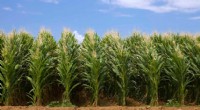
* Plains: Large, flat areas of land.
* Valleys: Low areas of land between hills or mountains.
* Canyons: Deep, narrow valleys often formed by erosion.
* Deserts: Dry, barren areas with little vegetation.
* Forests: Areas dominated by trees.
* Oceans: Large bodies of salt water that cover most of the Earth's surface.
* Lakes: Bodies of water surrounded by land.
* Rivers: Natural flowing bodies of water that drain into lakes, oceans, or other rivers.
Specific Shapes:
* Volcanoes: Cone-shaped mountains formed by volcanic eruptions.
* Sand dunes: Hill-like formations of sand created by wind.
* Glaciers: Large masses of ice that flow slowly over land.
* Caves: Underground openings formed by erosion.
* Coral reefs: Underwater structures formed by the skeletons of tiny marine animals.
* Deltas: Triangular-shaped landforms formed at the mouths of rivers.
Factors Influencing Shape:
* Tectonic plates: The movement of these plates can create mountains, valleys, and other landforms.
* Erosion: The wearing away of land by wind, water, and ice.
* Weathering: The breakdown of rocks and minerals by physical and chemical processes.
* Climate: The long-term weather patterns in a region can influence the shape of the land.
* Human activity: Human activities, such as farming, mining, and construction, can also alter the shape of the land.
Conclusion:
The surface of the Earth is a constantly changing landscape. The shape of surface land is influenced by a variety of factors, resulting in an incredibly diverse and fascinating range of features.