1. Plate Tectonics: The Driving Force
* Earth's Crust: The Earth's outer layer, the crust, is broken into large pieces called tectonic plates. These plates are constantly moving, interacting with each other.
* Convergent Boundaries: When two plates collide, they form a convergent boundary. This is where mountains are born.
2. Types of Mountain Formation:
* Fold Mountains: This is the most common type. When two continental plates collide, the immense pressure causes the rock layers to buckle and fold, creating upward ridges and valleys. The Himalayas, the Alps, and the Appalachians are examples of fold mountains.
* Fault-Block Mountains: These form when the Earth's crust fractures along faults. Blocks of rock are then uplifted or dropped down, creating steep cliffs and valleys. The Sierra Nevada in California is an example.
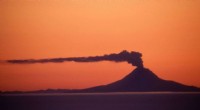
* Volcanic Mountains: Volcanoes are formed when magma (molten rock) rises to the surface and erupts. Over time, repeated eruptions can create towering cones of volcanic rock. Mount Fuji in Japan and Mount Kilimanjaro in Africa are examples.
3. The Process:
1. Collision: Two plates collide at a convergent boundary.
2. Compression: The immense pressure from the collision compresses the rocks along the plate boundary.
3. Folding: The rock layers buckle and fold, forming upward ridges and valleys.
4. Uplift: The folded rock layers are pushed upward, creating mountains.
5. Erosion: Over time, wind and water erode the mountains, shaping their peaks and valleys.
4. Other Factors:
* Magma: In some cases, magma rising from the Earth's mantle can contribute to mountain formation by pushing up the rock layers.
* Isostasy: The balance between the weight of the mountains and the buoyancy of the underlying mantle also plays a role in their formation and height.
5. Mountain Ranges:
* Mountains rarely occur in isolation. The collision of tectonic plates typically creates entire mountain ranges, which can stretch for hundreds or thousands of kilometers.
In a nutshell, mountains are formed by the powerful forces of plate tectonics. When plates collide, the rocks are compressed, folded, and uplifted, creating the majestic peaks and valleys that we see today.