Weathering is the process of breaking down rocks, soils, and minerals through direct contact with the Earth's atmosphere, biota, and waters. It occurs in situ, meaning it happens in place, without movement of the broken material. There are three main types of weathering:
1. Physical weathering: This involves the mechanical breakdown of rocks into smaller pieces without changing their chemical composition. Examples include:
- Frost wedging: Water seeps into cracks in rocks, freezes, expands, and puts pressure on the rock, causing it to break.
- Thermal expansion and contraction: Rocks expand when heated and contract when cooled. Repeated cycles of heating and cooling can cause stress and breakage.
- Abrasion: Rocks are worn down by friction from wind, water, or ice carrying sand and other particles.
- Salt wedging: Salt crystals grow in rock pores, expanding and putting pressure on the rock.
2. Chemical weathering: This involves the chemical alteration of rocks through reactions with water, air, and biological organisms. Examples include:
- Dissolution: Some minerals, like limestone and halite, are dissolved by acidic rainwater.
- Hydrolysis: Water reacts with minerals to form new minerals, often weakening the rock.
- Oxidation: Minerals react with oxygen, forming oxides that are often weaker than the original minerals.
- Biological weathering: Organisms like plants, bacteria, and fungi can produce acids or break down rocks mechanically through their growth.
3. Biological weathering: This is a combination of physical and chemical weathering caused by living organisms. Examples include:
- Plant roots: Growing roots can exert pressure on rocks, causing them to crack.
- Burrowing animals: Animals like earthworms and moles create tunnels that expose rock to weathering.
- Lichens: Lichens produce acids that dissolve rock.
Erosion is the process of transporting weathered rock and soil from one location to another. This movement is usually caused by:
1. Water: Rivers, streams, and waves carry sediment downstream or offshore.
2. Wind: Wind carries dust, sand, and other particles, eroding exposed surfaces.
3. Ice: Glaciers carve valleys and transport rocks and sediment as they move.
4. Gravity: Gravity causes rocks to roll, slide, and fall, eroding slopes and cliffs.
The relationship between weathering and erosion:
* Weathering prepares the material for erosion: Breaking down rocks into smaller pieces makes them easier to transport.
* Erosion removes the weathered material: This creates space for further weathering.
Together, weathering and erosion shape the Earth's surface by:
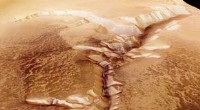
* Creating landforms: Mountains, canyons, valleys, and beaches are all shaped by weathering and erosion.
* Transporting sediment: Weathering and erosion transport sediment from one place to another, building up beaches, deltas, and other landforms.
* Creating soil: Weathering breaks down rocks into smaller particles, which form the basis of soil.
Weathering and erosion are continuous processes that occur over long periods of time. Understanding these processes is crucial for understanding the Earth's history and its ever-changing landscape.