1. Understanding Earth's History:
* Chronological order: Correlating layers helps establish the sequence of events in Earth's history. By matching layers across different locations, geologists can determine which layers are older or younger, providing a timeline for geological processes.
* Understanding past environments: Different rock types and fossils found within layers reveal information about the ancient environments in which they formed. For example, fossils of marine organisms in a rock layer suggest that area was once underwater.
* Tracking changes over time: Correlating layers allows geologists to observe how environments, climate, and life forms have changed over time. This can provide insights into long-term geological trends.
2. Resource Exploration and Management:
* Identifying potential resources: Correlating layers helps geologists locate economically valuable resources like oil, gas, and minerals. Similar rock types and formations often contain these resources, making correlation a crucial tool for exploration.
* Assessing resource potential: Once resources are identified, correlating layers helps determine the size and quality of deposits, informing decisions about extraction and management.
* Understanding groundwater flow: Correlating layers helps geologists understand how groundwater flows through different rock units, aiding in the management of this vital resource.
3. Hazard Mitigation:
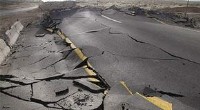
* Predicting earthquakes and landslides: Correlating layers helps identify faults and other geological structures that can lead to earthquakes and landslides. This information is vital for developing hazard mitigation strategies.
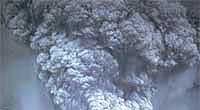
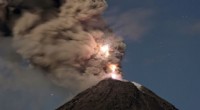
* Assessing volcanic risk: Correlating volcanic rocks and sediments helps geologists understand the history and potential hazards of volcanic eruptions.
4. Scientific Research:
* Understanding plate tectonics: Correlating rock layers across continents supports the theory of plate tectonics, revealing how Earth's continents have moved and interacted over millions of years.
* Dating geological events: Correlating layers helps geologists use radiometric dating techniques to determine the ages of different geological events and formations.
In essence, correlating rock layers is fundamental to understanding Earth's history, finding valuable resources, mitigating geological hazards, and advancing scientific knowledge.