* The crust: The outermost layer of the Earth, made of solid rock.
* The mantle: A thick layer of mostly solid rock located beneath the crust.
* The core: The Earth's innermost layer, composed of a liquid outer core and a solid inner core.
In essence, the geosphere encompasses everything from the mountains and valleys on the surface to the molten rock and heavy metals deep within the Earth. It's the physical structure of our planet, and its interactions with the other spheres (hydrosphere, atmosphere, and biosphere) shape the environment we live in.
Here are some key points about the geosphere:
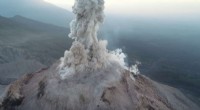
* It's dynamic: The Earth's interior is constantly moving, causing plate tectonics, earthquakes, and volcanic eruptions.
* It provides resources: The geosphere contains valuable resources like minerals, oil, and natural gas.
* It influences climate: The composition of the atmosphere and the Earth's surface are affected by the geosphere.
Understanding the geosphere is crucial for comprehending various aspects of Earth science, including geology, geography, and climate science.