Erosion is the process of wearing away and transporting soil, rock, or other materials by natural forces like:
1. Water:
* Rain: Raindrops can dislodge soil particles, especially on bare ground.
* Rivers and streams: Flowing water carries away sediment and sculpts landscapes over time.
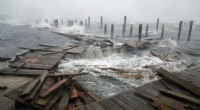
* Waves: Ocean waves erode coastlines, carving cliffs and beaches.
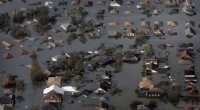
* Flooding: Heavy rains and overflowing rivers can cause significant erosion, especially in areas with poor drainage.
2. Wind:
* Strong winds: Can pick up and carry loose soil, sand, and dust, creating sand dunes and dust storms.
* Windblown particles: These particles can act like sandpaper, eroding rock surfaces and creating unique formations.
3. Ice:
* Glaciers: Massive sheets of ice can carve out valleys, transport boulders, and reshape entire landscapes.
* Frost wedging: Water seeps into cracks in rocks, freezes, expands, and breaks the rock apart.
4. Gravity:
* Mass wasting: Downslope movement of rock, soil, and debris due to gravity. Examples include landslides, mudslides, and rockfalls.
5. Human activities:
* Deforestation: Removing trees exposes soil to erosion by wind and rain.
* Agriculture: Tilling the soil can break up its structure and increase erosion risk.
* Construction: Clearing land for development can expose soil to erosion.
* Overgrazing: Animals can compact soil and reduce vegetation cover, leading to increased erosion.
Erosion works by a combination of these factors:
* Detachment: The force of wind, water, or ice breaks apart soil or rock particles.
* Transport: The eroded material is carried away by the erosive agent (wind, water, ice, gravity).
* Deposition: The transported material eventually settles in a new location, forming new landforms like river deltas, sandbars, or dunes.
Impact of Erosion:
Erosion can have both positive and negative impacts:
* Positive: Erosion creates fertile land, shapes diverse landscapes, and forms beaches.
* Negative: Erosion can lead to soil degradation, loss of fertile farmland, landslides, and pollution of waterways.
Preventing Erosion:
* Planting trees and vegetation: To stabilize soil and reduce wind and water erosion.
* Terracing slopes: To reduce the impact of water runoff.
* Using soil-conserving agricultural practices: Like no-till farming and cover cropping.
* Protecting natural buffers: Like wetlands and forests, which filter runoff and prevent erosion.
Understanding the causes and mechanisms of erosion is crucial for managing natural resources and protecting the environment.