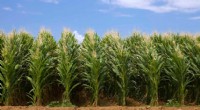
Mollisols: These are the most common soil type in the central plains. They are dark, fertile soils with a high content of organic matter, making them excellent for agriculture. Mollisols are typically found in grasslands and are known for their deep topsoil layer and good water-holding capacity.
Alfisols: These soils are also found in the central plains, particularly in areas with slightly lower rainfall. They are less fertile than Mollisols but still support a wide range of crops. Alfisols have a lighter color and a thinner topsoil layer than Mollisols.
Aridisols: In the drier regions of the central plains, Aridisols are found. These soils are low in organic matter and have a high content of salts due to limited rainfall. They are typically used for grazing or for growing drought-resistant crops.
Other Soil Types:
* Vertisols: These are clay-rich soils found in some parts of the central plains. They are known for their shrinking and swelling properties, which can be challenging for agriculture.
* Entisols: These are young soils with little development. They are often found in recently disturbed areas, such as floodplains or eroded hillsides.
The specific soil type in a particular location within the central plains depends on factors such as climate, vegetation, and parent material.
It's important to note that the central plains is a vast region encompassing different states and diverse environments. So, soil types can vary considerably depending on the specific area within the plains.