Local Environments:
* Your backyard: Even a small area can have variations in soil type. Factors like slope, drainage, and the presence of trees can all influence soil composition.
* Parks and gardens: These areas often have curated soils, but you might find natural variations.
* Construction sites: Excavations can reveal different soil layers, often with distinct textures and colors.
Larger Geographical Areas:
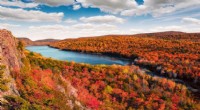
* Forests: Different types of trees favor different soil types. For example, coniferous forests are often associated with acidic soils, while deciduous forests might have more fertile soils.
* Fields and meadows: These areas are typically home to a mixture of soil types, influenced by agricultural practices and natural processes.
* Rivers and streams: The banks of these waterways often have rich, alluvial soils deposited by flowing water.
* Mountains: Higher elevations tend to have thinner, rocky soils.
* Deserts: Desert soils are usually dry and sandy, but they can vary depending on the specific desert environment.
Global Examples:
* Tropical rainforests: These regions have highly weathered, red soils rich in iron and aluminum.
* Temperate grasslands: These areas have fertile, dark soils with high organic matter content.
* Tundra: The cold, frozen soils of tundra regions are often thin and poorly developed.
To find out what specific soil types are in your area, you can:
* Contact your local agricultural extension office: They can provide information on the soil types found in your region and how they relate to agriculture.
* Take a soil sample: You can have your soil analyzed by a lab to determine its composition, pH, and other important properties.
* Use online resources: The USDA Natural Resources Conservation Service (NRCS) website offers maps and information on soil types across the United States.
Remember, soil is a complex and fascinating component of our environment. By understanding the different types of soils and their characteristics, we can better appreciate and manage this vital resource.