Natural Forces:
* Glaciers: Massive sheets of ice slowly moving over land. Their sheer weight and grinding motion can carve out valleys, transport boulders, and deposit huge quantities of soil and rock.
* Rivers: Flowing water, especially during floods, has immense power. It can erode riverbanks, carry away sediment, and deposit it downstream, creating deltas.
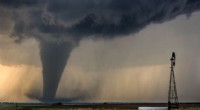
* Wind: Strong winds, particularly in desert environments, can pick up and transport sand and smaller rocks. This process is called "wind erosion" and can sculpt landscapes, creating dunes.
* Waves: The constant crashing of ocean waves against coastlines erodes cliffs, moves sand, and creates beaches.
* Gravity: Gravity plays a key role in landslides, avalanches, and rockfalls. It pulls loose rocks and soil downhill, especially on steep slopes.
* Earthquakes: Earthquakes cause the ground to shake violently. This shaking can dislodge rocks, trigger landslides, and alter the landscape significantly.
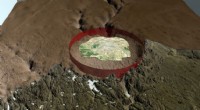
* Volcanoes: Volcanic eruptions can send hot ash, rocks, and mud flowing down slopes, reshaping the landscape.
* Tectonic Plates: The movement of tectonic plates can create mountains, rift valleys, and other geological formations.
Other Factors:
* Animals: Large animals like elephants can move rocks and soil with their bodies, while smaller animals like ants and earthworms can help break down and move soil through their activities.
* Human Activities: Construction, mining, and agriculture can significantly alter the landscape and move rocks and soil.
Let me know if you'd like more details on any of these forces!