Weathering:
* Physical Weathering: This involves the mechanical breakdown of rocks into smaller pieces. Here are some examples:
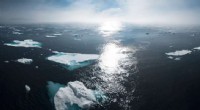
* Frost Wedging: Water seeps into cracks in rocks, freezes, expands, and puts pressure on the rock, eventually breaking it apart.
* Thermal Expansion and Contraction: Rocks expand when heated and contract when cooled. This repeated expansion and contraction can cause cracks to form and widen, weakening the rock.
* Abrasion: Wind, water, and ice carry sand and other rock particles, which can scour and grind against the mountain, wearing it down.
* Chemical Weathering: This involves the breakdown of rocks through chemical reactions. Examples include:
* Oxidation: Iron in rocks reacts with oxygen, forming rust, which weakens the rock.
* Carbonation: Carbon dioxide dissolves in rainwater, forming a weak acid that can dissolve some types of rock, like limestone.
* Hydrolysis: Water reacts with minerals in the rock, breaking down the rock's structure.
Erosion:
* Erosion by Water: Rain, rivers, and glaciers can erode the mountain by carrying away weathered rock and soil.
* Rivers carve valleys and canyons.
* Glaciers create U-shaped valleys and leave behind moraines (piles of rock and soil).
* Erosion by Wind: Wind can pick up sand and dust and carry it away, slowly eroding the mountain.
* Wind can create sand dunes and rock formations.
* Erosion by Ice: Glaciers can slowly grind down mountains, carving out valleys and leaving behind piles of rock and soil.
* Glaciers can create cirques (bowl-shaped depressions) and aretes (sharp ridges).
* Erosion by Gravity: Gravity can cause landslides and rockfalls, which can significantly alter the mountain's shape.
The Results of Weathering and Erosion:
* Lowered Elevation: Mountains are gradually lowered in elevation as weathering and erosion break down the rock and soil.
* Changing Shape: Over time, mountains can change shape, becoming more rounded or forming jagged peaks.
* Formation of Landforms: Weathering and erosion create various landforms, including canyons, valleys, and peaks.
* Soil Formation: Weathering and erosion break down rocks into smaller particles that eventually form soil.
* Sediment Transport: Weathered and eroded material is transported by wind, water, and ice, eventually settling in other locations, forming beaches, plains, and deltas.
Overall, weathering and erosion are powerful forces that shape the Earth's landscapes, slowly but surely changing the appearance of mountains over millions of years.