Rapid Processes:
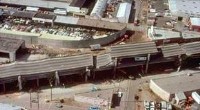
* Earthquakes: These can happen in seconds, causing immense damage and reshaping landscapes.
* Volcanic eruptions: While the build-up of magma can take years, eruptions themselves can be rapid and explosive, spewing lava and ash.
* Landslides: Triggered by heavy rainfall, earthquakes, or other events, these can happen very quickly, drastically altering landscapes.
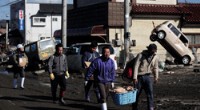
* Tsunamis: Giant waves caused by earthquakes or underwater landslides, capable of causing widespread devastation.
* Flooding: Heavy rains or dam failures can cause rapid flooding, altering river courses and eroding land.
Intermediate Processes:
* Erosion: The gradual wearing down of rocks and soil by wind, water, or ice. This process can take decades, but its effects are noticeable over time.
* Weathering: The breakdown of rocks and minerals by exposure to the elements, including freezing/thawing cycles, chemical reactions, and biological activity. This can happen over centuries.
* Sedimentation: The deposition of eroded material in new locations, forming layers of sediment that eventually become rock. This can take thousands of years.
* Deformation: The bending, folding, and faulting of the Earth's crust due to tectonic forces. This can take millions of years.
Slow Processes:
* Plate tectonics: The movement of the Earth's tectonic plates, which drives earthquakes, volcanic eruptions, and mountain building. This occurs over millions and even billions of years.
* Mountain building: The slow uplift of mountains due to tectonic forces, a process that can take tens of millions of years.
* Rock cycle: The continuous process of rock formation, transformation, and destruction. This takes millions and billions of years.
* Continental drift: The gradual movement of continents across the Earth's surface, a process that has been occurring for hundreds of millions of years.
In essence, geological processes are a continuous interplay of forces that shape our planet over vastly different timescales. Some processes are noticeable in our lifetime, while others operate over millions or even billions of years. Understanding these processes is crucial for appreciating the dynamic nature of our planet and the ongoing changes that shape its landscapes.