Natural Environments:
* Rivers and streams: The constant flow of water wears down rocks over time, creating smooth, rounded shapes.
* Beaches: Waves and tides continuously erode rocks, resulting in a variety of sizes and shapes, including rounded ones.
* Glacial deposits: Glaciers grind rocks together, leaving behind rounded rocks and gravel.
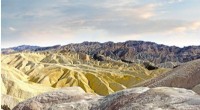
* Deserts: Wind erosion can polish and round rocks over long periods.
Man-made Environments:
* Landscaping: Rounded rocks are often used in landscaping for decorative purposes.
* Construction: Round rocks can be used as aggregate in concrete or for building foundations.
Other Factors:
* Rock type: Some rock types, like granite or limestone, are more likely to form rounded shapes than others.
* Weathering and erosion: The type and amount of weathering and erosion a rock experiences can significantly influence its shape.
Ultimately, the specific location of round rocks depends on the geological history and environmental conditions of a particular area. So, keep your eyes open and you might just find some amazing rounded rocks in your own backyard!