1. O Horizon (Organic Layer):
* Found at the very top, this layer is composed of decomposing plant and animal matter, including leaves, twigs, and roots.
* It's rich in nutrients and plays a crucial role in soil fertility.
* This layer is often absent in cultivated soils.
2. A Horizon (Topsoil):
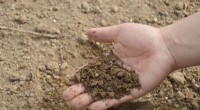
* This layer is a mix of mineral particles (sand, silt, and clay) and organic matter.
* It's the most fertile layer, supporting plant growth and containing a diverse community of microorganisms.
* It's darker than the underlying layers due to the organic matter content.
3. E Horizon (Eluviated Layer):
* This layer is found in some soils, particularly those in humid climates.
* It's characterized by the loss of minerals and organic matter, often leaving behind a light-colored, sandy layer.
4. B Horizon (Subsoil):
* This layer is richer in clay and minerals than the A horizon.
* It often has a denser texture than topsoil and is less fertile.
* It may contain accumulations of iron, aluminum, or calcium.
5. C Horizon (Parent Material):
* This layer is composed of the weathered bedrock from which the soil formed.
* It's less influenced by biological processes and often has a larger particle size than the upper layers.
6. R Horizon (Bedrock):
* This is the solid, unweathered rock that underlies the soil profile.
Important Notes:
* Soil profiles vary widely. The number and thickness of horizons can change based on factors like climate, parent material, topography, and time.
* The presence of all layers is not always guaranteed. For example, some soils may lack an O horizon or an E horizon.
Understanding the different layers of soil helps us understand soil fertility, water infiltration, and the role of soil in supporting plant life and overall ecosystem health.