Here's how it works:
* Plate movement: The Earth's crust is made up of large, rigid pieces called tectonic plates. These plates move slowly over the Earth's mantle, a layer of hot, viscous rock.
* Subduction: At some boundaries between plates, one plate slides beneath another. This process is called subduction.
* Melting and magma generation: The subducted plate, made of mostly oceanic crust, sinks into the mantle. The heat and pressure cause the rock to melt, generating magma.
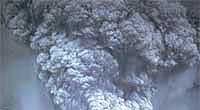
* Volcanic activity: This magma rises to the surface through volcanic eruptions, creating new crust.
* Seafloor spreading: At other plate boundaries, plates move apart, allowing magma to rise and create new oceanic crust. This process is called seafloor spreading.
* Continental collision: When two continental plates collide, they buckle and fold, creating mountains.
So, the crust doesn't have a gap that needs to be filled, but it's constantly being renewed and reshaped through the cycle of plate tectonics. This process is responsible for the formation of mountains, volcanoes, earthquakes, and the distribution of continents and oceans.