Factors Affecting Erosion:
* Material: Different materials erode at different rates. Soft, loose materials like soil erode faster than hard, consolidated rocks.
* Climate: Heavy rainfall, strong winds, and freeze-thaw cycles increase erosion.
* Topography: Steep slopes and areas with little vegetation experience more erosion.
* Land use: Agricultural practices, deforestation, and construction can significantly increase erosion.
* Human activities: Mining, road building, and urban development can also contribute to erosion.
Examples:
* Bare soil: Soil without vegetation cover is highly susceptible to wind and water erosion.
* Steep slopes: Steeper slopes experience more gravity-driven erosion (mass wasting).
* Riverbanks: River currents can erode banks and change the river's course.
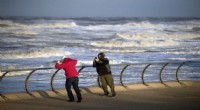
* Coastal areas: Waves and tides can erode coastlines.
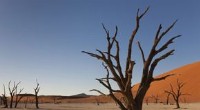
* Deserts: Wind erosion is prevalent in arid environments.
Therefore, the "most potential" for erosion depends on the specific combination of these factors in a given location.
To answer your question more accurately, you need to provide more information about the specific area or material you're interested in.